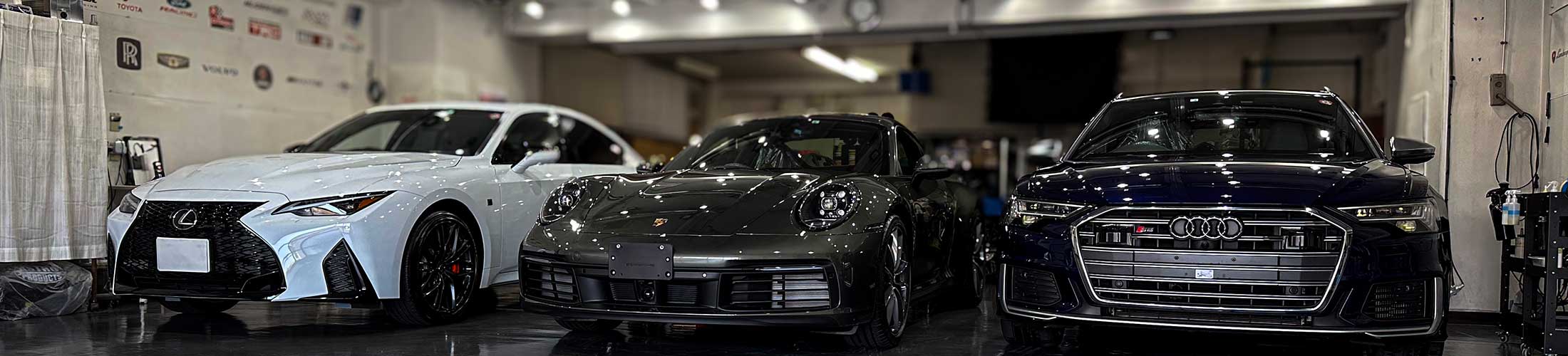
In the world of automotive care, car coating has become a go-to solution for owners seeking to preserve their vehicle's pristine appearance. Unlike traditional wax, which wears off quickly, modern car coatings form a durable, semi-permanent layer that shields paint from environmental damage. Among these, glass coating and ceramic variants stand out, often used interchangeably in marketing but with subtle differences. This article explores car coatings, their benefits, application, and why they're essential in 2025.
What is Car Coating?
Car coating refers to a liquid polymer applied to a vehicle's exterior, creating a protective barrier over the paint. It bonds chemically with the clear coat, forming a hard, transparent layer. Popular types include nano-ceramic, graphene-infused, and silica-based formulas.
These coatings repel water, dirt, and contaminants, making maintenance easier. They also enhance gloss, giving cars a showroom shine that lasts years. In contrast to wax or sealants, which sit on the surface and degrade in months, coatings integrate deeper for superior longevity.
The Rise of Advanced Coatings
By 2025, advancements have made coatings more accessible and effective. Professional-grade options now offer 5+ years of protection, while DIY sprays provide quick boosts. Coatings protect against UV rays, bird droppings, tree sap, and minor scratches, preserving resale value.
Understanding Glass Coating
Glass coating, often called silica or quartz coating, uses silicon dioxide (SiO2) to create a glass-like ガラスコーティング protective film. It bonds immediately upon application, insulating the paint from chemicals, UV rays, and contaminants.
Glass coatings excel in water repellency, causing droplets to bead and roll off effortlessly. They provide a smooth, glossy finish but tend to be thinner and more matte compared to alternatives. Durability typically ranges from 1-3 years, making them a budget-friendly option for everyday drivers.
Key Features of Glass Coating
Hydrophobicity: Strong water-beading effect reduces water spots.
Ease of Application: Often quicker to apply without needing heat curing.
Chemical Resistance: Highly resistant to acids and solvents.
Many products labeled "glass coating" are marketed for windshields too, improving visibility by repelling rain and debris.
Ceramic Coating: The Premium Choice
Ceramic coatings, primarily SiO2-based with added compounds like ガラスコーティング titanium dioxide or graphene, form a harder, thicker layer. They require curing time but offer superior hardness (up to 9H on the pencil scale) and longevity—often 2-7 years.
These coatings provide exceptional scratch resistance, UV protection, and a deeper gloss. The hydrophobic properties are intense, with water sheeting off rapidly, carrying dirt away.
Benefits of Ceramic Coating
Durability: Outlasts glass coatings in harsh conditions.
Gloss and Depth: Enhances color vibrancy for a "wet look."
Ease of Cleaning: Contaminants wipe off easily, reducing wash frequency.
Maintenance and Longevity
Coated cars need pH-neutral soaps and no automatic washes with brushes. Toppers like ceramic boosts extend life.
Whether opting for glass coating for affordability or ceramic for ultimate protection, car coatings transform maintenance and appearance. In 2025, with evolving formulas, they're more effective than ガラスコーティング ever. Invest in one to keep your vehicle shining bright—your paint will thank you.